Crossmap Book ClubCrossmap Books
Categories
  1. Home
  2. England's Culture Wars: Puritan Reformation and its Enemies in the Interregnum, 1649-1660

England's Culture Wars: Puritan Reformation and its Enemies in the Interregnum, 1649-1660

Bernard Capp
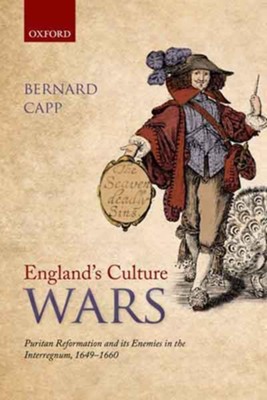
Cover of England's Culture Wars: Puritan Reformation and its Enemies in the Interregnum, 1649-1660
  • ISBN: 0199641781, 9780199641789
  • Page count: 352
  • Published: 2012
  • Format: Hardcover
  • Publisher: Oxford University Press

Following the execution of the king in 1649, the new Commonwealth and then Oliver Cromwell set out to drive forward a puritan reformation of manners. They wanted to reform the church and its services, enforce the Sabbath, suppress Christmas, and spread the gospel. They sought to impose a stern

moral discipline to regulate and reform sexual behaviour, drinking practices, language, dress, and leisure activities ranging from music and plays to football.

England's Culture Wars explores how far this agenda could be enforced, especially in urban communities which offered the greatest potential to build a godly civic commonwealth. How far were local magistrates and ministers willing to cooperate, and what coercive powers did the regime possess to

silence or remove dissidents? How far did the reformers themselves wish to go, and how did they reconcile godly reformation with the demands of decency and civility? Music and dancing lived on, in genteel contexts, early opera replaced the plays now forbidden, and puritans themselves were often fond

of hunting and hawking. Bernard Capp explores the propaganda wars waged in press and pulpit, how energetically reformation was pursued, and how much or little was achieved. Many recent historians have dismissed interregnum reformation as a failure. He demonstrates that while the reforming drive

varied enormously from place to place, its impact could be powerful. The book is therefore structured in three parts: setting out the reform agenda and challenges, surveying general issues and patterns, and finally offering a number of representative case-studies. It draws on a wide range of

sources, including local and central government records, judicial records, pamphlets, sermons, newspapers, diaries, letters, and memoirs; and demonstrates how court records by themselves give us only a very limited picture of what was happening on the ground.

Show More

Get the Book


Buy print
  • StevensBooks$227.12
  • Christianbook$160.31
  • Barnes & Nobles$135.00
  • Barnes & Nobles$9.99
Categories: Academic, Church History

Similar Books

  • Seeking Refuge: On the Shores of the Global Refugee Crisis

    Stephan Bauman, Matthew Soerens & Dr Issam Smeir
  • Triumph: The Power and the Glory of the Catholic Church - A 2,000 Year History (Updated and Expanded)

    H.W. Crocker
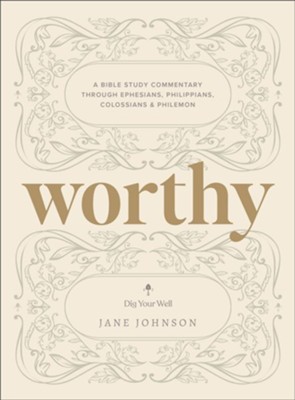
  • Worthy: A Bible Study Commentary Through Ephesians, Philippians, Colossians, and Philemon

  • Wisdom, Knowledge, and Faith: New Essays on the Future of Theology and the Episcopal Church

    Kelli Joyce, Robert MacSwain & Sean W. Rowe
  • Wild at Heart Study Guide plus Streaming Video, Updated Edition: Discovering the Secret of a Man's Soul - eBook

    John Eldredge
  • Why Christianity Makes Sense

    Gavin Ortlund
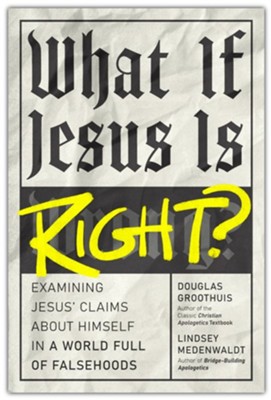
  • What If Jesus Is Right?: Examining Jesus' Claims About Himself in a World Full of Falsehoods

    Douglas Groothuis & Lindsey Medenwaldt
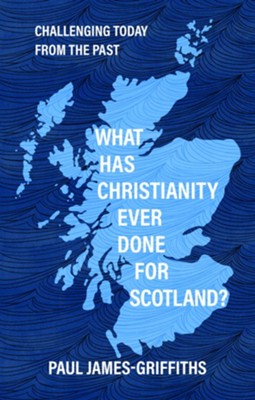
  • What Has Christianity Ever Done for Scotland: Challenging Today from the Past

    Paul James-Griffiths
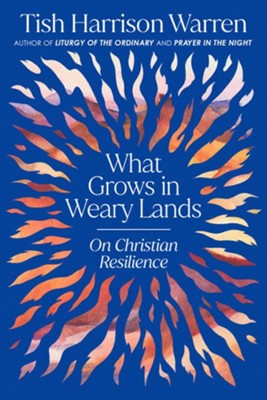
  • What Grows in Weary Lands: On Christian Resilience

  • What Christians Ought to Believe, Second Edition: An Introduction to Christian Doctrine through the Apostles' Creed - eBook

    Michael F. Bird
  • What Christians Ought to Believe: An Introduction to Christian Doctrine through the Apostles' Creed, 2nd Edition

  • Weathering the Storm: Navigating the Anti-Social Justice Wave

    Tiffany G. Townsend

About the Author

Bernard Capp

Educated at Pembroke College Oxford, Bernard Capp has taught at Warwick since 1968 as Lecturer, Senior Lecturer, Reader, and Professor from 1994. He became head of Department in the early-mid 1990s and has been a Fellow of the British Academy since 2005. Capp formally retired in 2010 and is nowEmeritus Professor, but still teaches part-time. He has published five books and numerous articles and essays on a wide range of social, cultural, and religious themes in early modern English history. He has also made numerous radio and TV contributions over the years.

Show More
Go to Homepage

Browse all book categories →

  • About us
  • Statement of faith
  • Privacy policy
  • Terms of condition
  • Contact us
Copyright © 2026 Crossmap.com. All Rights Reserved.